messages.products.premium_problem_label
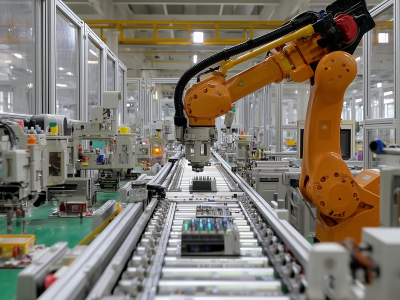
Conveyor, sorter and printer assets from 5–10 different vendors rarely speak the same protocol. Without an integration layer, each line change becomes a 3–6 month bespoke project and downtime climbs above 8%.
messages.products.premium_audience_label
Plant Engineering Managers and Automation Leads integrating multi-vendor hardware into ERP/WMS with strict uptime SLAs.
messages.products.premium_implementation_label
messages.products.gallery_eyebrow
messages.products.gallery_title

Compatibility to assess
Systems and equipment for integration
This list presents systems and equipment for assessing an integration. Available capabilities, compatible versions and workflows must be confirmed for each project; a logo is not evidence of an installed connector or a validated workflow.
ERP
messages.products.no_system_found
messages.products.why_rosistem
messages.products.why_rosistem_headline
How Automation Integrates with WMS
Step 1: Flow analysis and design
Our team analyzes the warehouse layout, volumes, and product typology. We design the optimal automation solution: zones to automate, equipment type, and integration interfaces with WMS.
Step 2: WMS ↔ Equipment integration
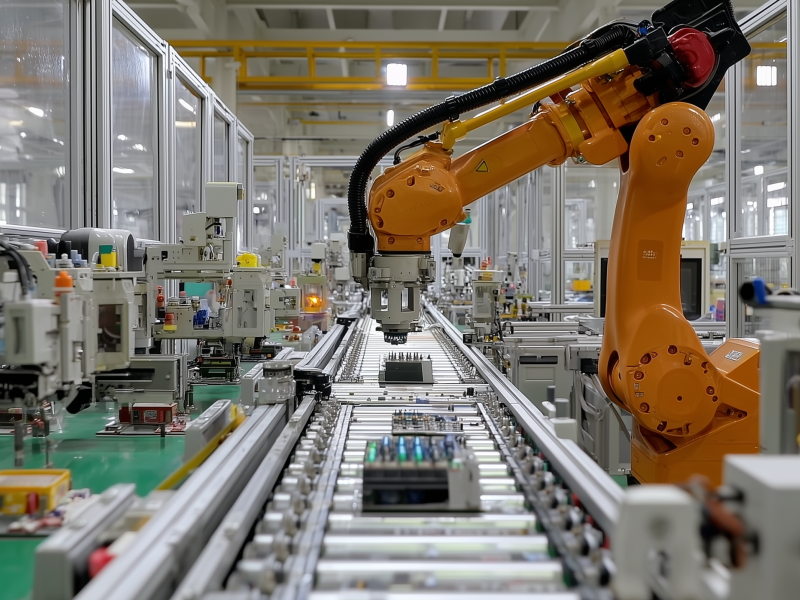
WMS sends real-time commands to robots (AMR/AGV), conveyors, and sorters via API or industrial protocols (OPC-UA, MQTT, Modbus). Every movement is confirmed and recorded in WMS.
Step 3: Machine vision and automatic verification
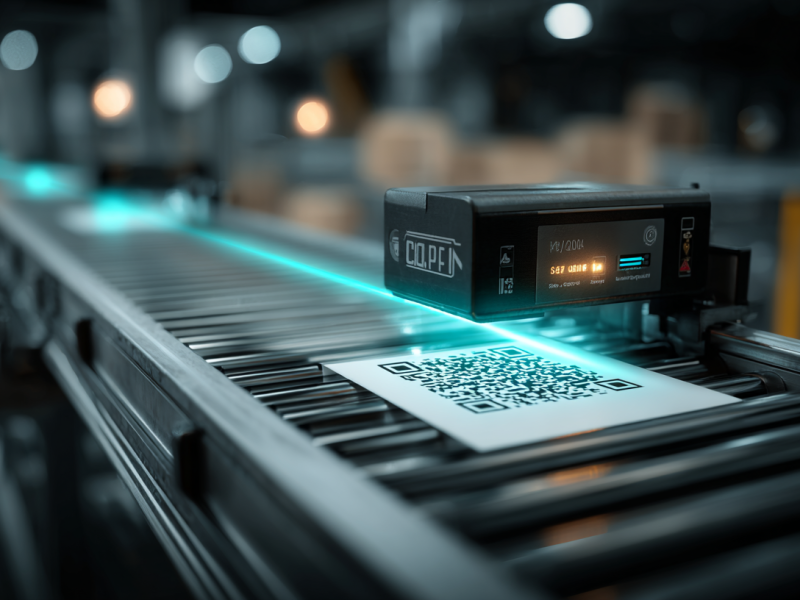
Industrial cameras verify barcodes and product dimensions on the conveyor. Unknown or damaged products are automatically diverted to an exceptions lane for manual inspection.
Step 4: Continuous monitoring and optimization
The automation dashboard shows real-time KPIs: throughput rate, cycle times, error rates per equipment. Proactive alerts identify bottlenecks before they affect production.
Frequently asked questions
Which robot manufacturers do you work with?
We have integration experience with Geek+, HAI Robotics, Quicktron, and ROS-based AMRs. For AGV conveyors we work with Interroll, Hytrol, and local manufacturers. We are brand-agnostic — we integrate any equipment with an open API.
How long does an automation project take?
A typical project takes 3-6 months: 4-6 weeks analysis+design, 6-10 weeks WMS+integration implementation, 2-4 weeks testing and go-live. More complex projects (large sorters, AS/RS) can take 9-12 months.
Can I automate partially, without changing the whole warehouse?
Yes. Most often we start with the shipping area (pick-to-light, parcel sorters) or with a receiving line. Modular automation allows gradual expansion without stopping operations.
What ROI can I expect?
Typical warehouse automation projects show ROI in 18-36 months through reduced labor costs (40-60%), increased order accuracy (99.9%+), and increased processing capacity without additional space.
Ready to implement Rosistem Automation?
Request a free, personalized demo for your company. Our consultant will contact you within 24 hours.
Other Rosistem solutions