
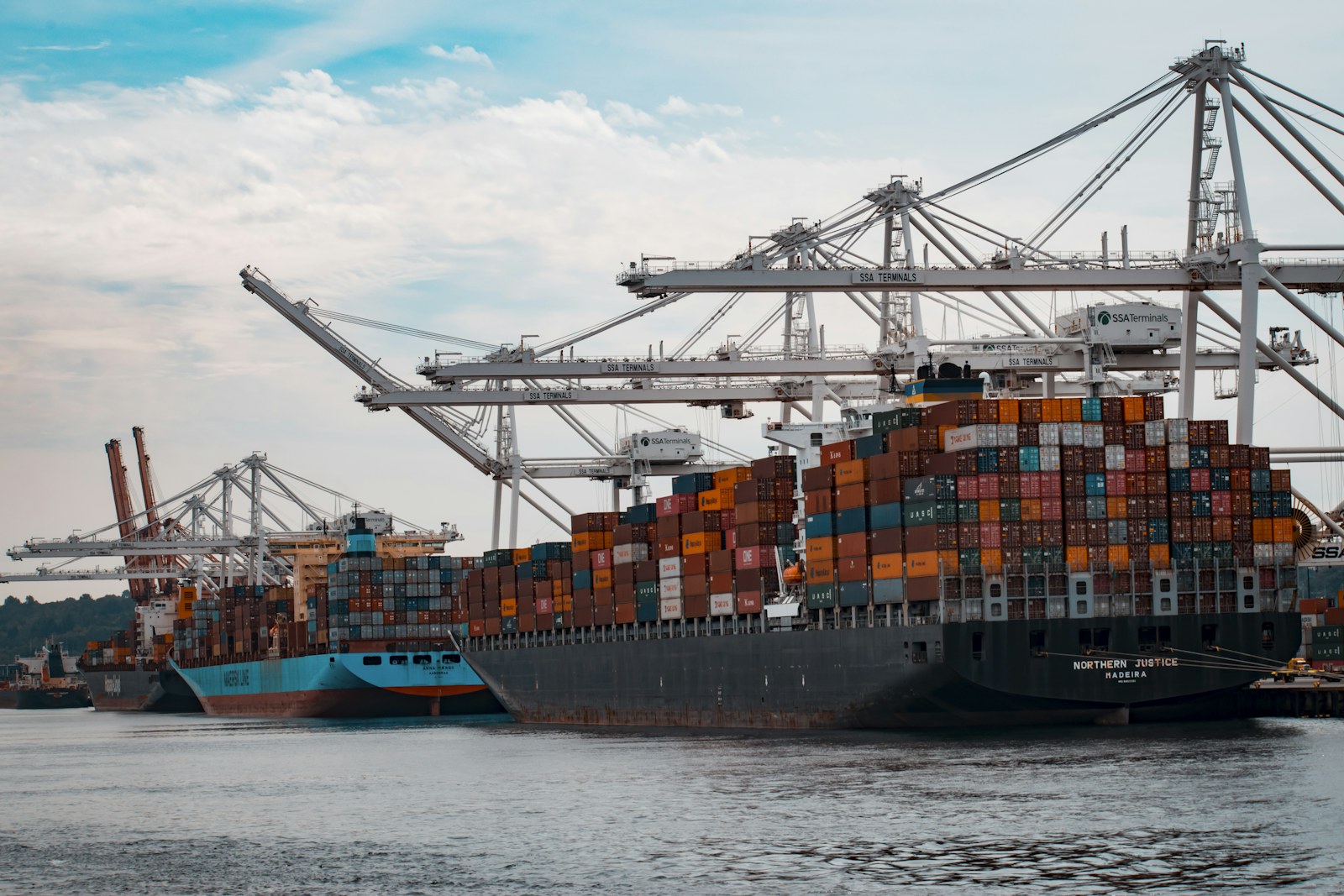
Cross-docking is a logistics strategy where goods received at a distribution terminal are transferred directly or near-directly to delivery vehicles, with minimal or zero storage. If traditional warehousing means: receive → store → retrieve → ship, cross-docking skips the storage stage: receive → sort → ship.
Types of cross-docking
- Pre-distribution cross-docking: Supplier prepares and labels goods for specific recipients before shipping. On arrival, goods are only sorted and loaded into delivery vehicles
- Post-distribution cross-docking: Goods arrive unallocated, and distribution to recipients happens at the terminal after arrival
- Continuous cross-docking: Continuous flow between receiving and shipping, synchronized with vehicle schedules
- Consolidation cross-docking: Goods from multiple suppliers are consolidated into a single vehicle for delivery
Advantages of cross-docking
- Reduced storage costs: No storage costs, no intermediate stock management
- Faster delivery time: Goods reach end customers faster — 30-50% quicker vs. traditional model
- Reduced handling: Fewer steps = fewer errors and damages
- Product freshness: Essential in food, pharma and short shelf-life products
- Reduced space requirements: No need for extensive racking and storage zones
When is cross-docking appropriate?
- High-turnover products (FMCG, food, retail)
- Short shelf-life goods (dairy, meat, fresh products)
- Retailers consolidating from multiple suppliers
- Distributors with high volumes and frequent deliveries
- E-commerce with same-day or next-day delivery requirements


